India's Carbon Credit Trading Scheme (CCTS): how it works
A plain guide to India's Carbon Credit Trading Scheme: the law, who runs it, sector targets for 490 entities, the offset mechanism, CERC trading rules and the link to PAT.
Frequently asked questions
CCTS kya hai?
CCTS is India's Carbon Credit Trading Scheme, notified on 28 June 2023, which sets up the Indian Carbon Market. It has a compliance mechanism with emission intensity targets for large industries and a voluntary offset mechanism for projects by other entities.
Which sectors are covered under India's carbon market compliance mechanism?
As of October 2026, targets are notified for aluminium, cement, chlor-alkali, pulp and paper, petroleum refineries, petrochemicals, textiles and secondary aluminium, covering 490 obligated entities. BEE lists iron and steel and fertiliser among sectors planned to join, with a draft amendment for iron and steel.
What is a Carbon Credit Certificate (CCC)?
A Carbon Credit Certificate is the unit of the Indian Carbon Market and equals one tonne of CO2 equivalent reduced, removed or avoided. BEE issues CCCs with Central Government approval, and Grid-India records them in the registry.
Who is the registry for the Indian Carbon Market?
The Grid Controller of India (Grid-India) is the registry, while BEE is the administrator and CERC regulates trading. The registry registers entities, keeps CCC accounts and records transactions.
Can a small company or MSME earn carbon credits under CCTS?
Possibly, through the offset mechanism, if the company has a project that fits an approved methodology and passes validation and verification by an accredited agency. It involves costs and monitoring, and credits or income are never guaranteed.
What is the difference between PAT and CCTS?
PAT set energy efficiency targets and traded energy saving certificates, while CCTS sets greenhouse gas emission intensity targets and trades Carbon Credit Certificates. BEE states that PAT will gradually transition into the CCTS compliance mechanism.
Where will Indian carbon credits be traded?
Carbon Credit Certificates are traded on power exchanges under the CERC Carbon Credit Certificates Regulations, 2026, unless CERC permits another mode. There are separate compliance and offset market segments, and compliance trades happen within a floor and forbearance price.
Is the CCTS target an absolute cap on emissions?
No, the CCTS target is an emission intensity target in tCO2e per unit of equivalent product, not a cap on total emissions. A plant can increase output, but it must lower the emissions for each unit it produces.
Sources: Bureau of Energy Efficiency: Indian Carbon Market (CCTS) page; BEE: Detailed Procedure for Compliance Mechanism under the Indian Carbon Market; PIB (MoEFCC), 22 January 2026: Government notifies GHG Emission Intensity Targets for 208 more carbon-intensive industries; PIB (Ministry of Power), 28 March 2025: India's Carbon Offset Plan; PIB (Ministry of Power), 4 December 2025: Framework for CCTS established; PIB (Ministry of Power): Year End Review 2025; PIB (Ministry of Power), 21 March 2026: Prakriti 2026 and Indian Carbon Market Portal launch; CERC (Terms and Conditions for Purchase and Sale of Carbon Credit Certificates) Regulations, 2026; CERC: Current Regulations index; PIB: Cabinet approves India's Nationally Determined Contribution (2031-2035) (25 March 2026)
This article was prepared with AI assistance and checked by the GreenEye team against the sources shown in each section.
Related articles

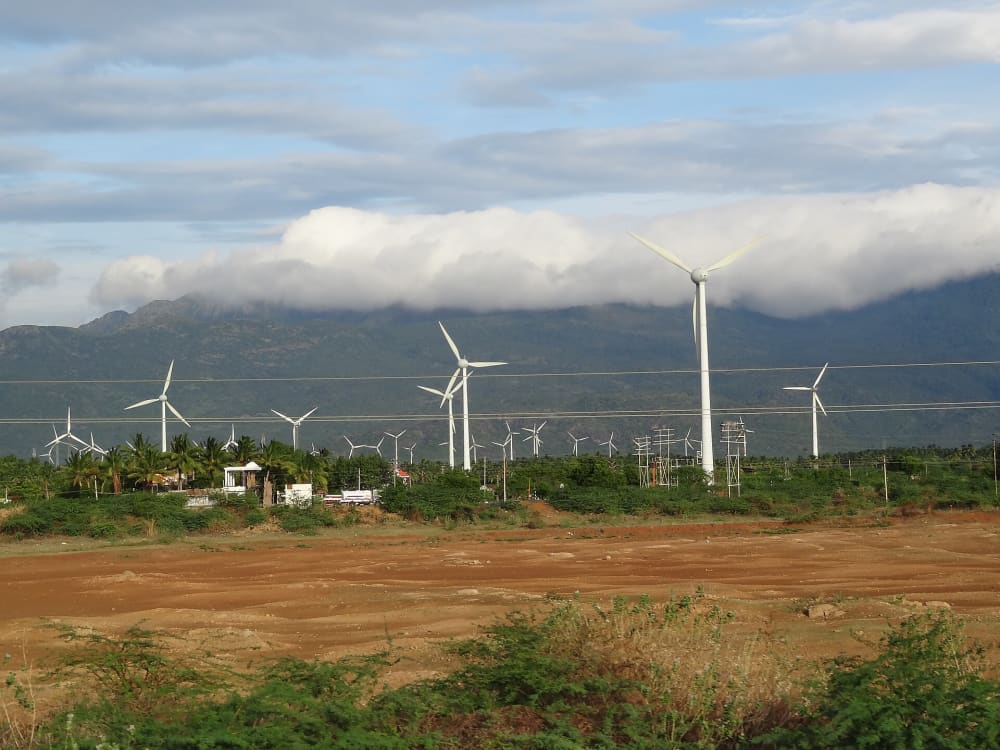
Carbon credits explained: what is one carbon credit?
What one carbon credit means, compliance vs voluntary markets, avoidance vs removal, additionality, permanence,…
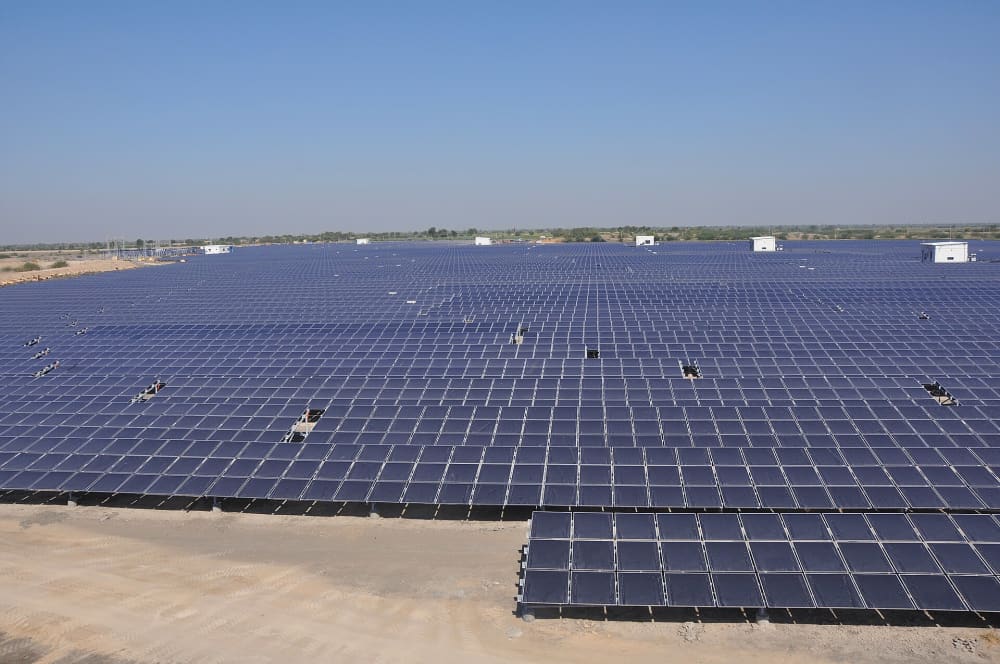
Renewable Energy Certificates (RECs) in India explained
What a REC is (1 MWh), how CERC's REC Regulations 2022 and the 2026 amendment work, how RECs differ from carbon…
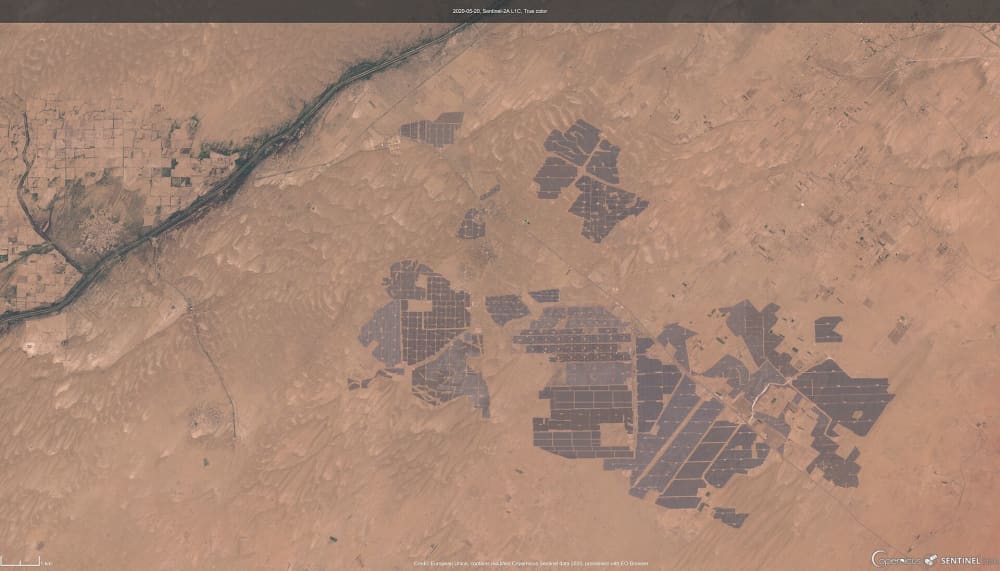
India's Climate Targets: NDC, Panchamrit and Net Zero by 2070
India's climate targets explained: the 2015 and 2022 NDCs, the new NDC for 2031-2035 with a 47% intensity cut and 60%…

BRSR and ESG climate reporting in India: what companies must disclose
A plain guide to SEBI's BRSR and BRSR Core: who must file, the Principle 6 climate indicators including Scope 1 and 2…

How companies measure emissions: building a GHG inventory step by step
A step-by-step guide to a company greenhouse gas inventory: boundaries, activity data, emission factors from CEA and…
Want to understand this for your home or company?
Talk to us. We are happy to explain what this means for you in plain words. We do not sell carbon credits and we cannot promise any result, but we can help you think it through.
Talk to usShare this article