Renewable Energy Certificates (RECs) in India explained
What a REC is (1 MWh), how CERC's REC Regulations 2022 and the 2026 amendment work, how RECs differ from carbon credits, I-RECs, green open access, green tariff and Scope 2.
Overview
A Renewable Energy Certificate (REC) in India is a tradable certificate that represents the "green" attribute of one megawatt hour (1 MWh) of electricity generated from renewable sources and fed into the grid. It is issued under CERC's REC Regulations, 2022, and is used mainly to meet renewable purchase obligations and to support renewable electricity claims.
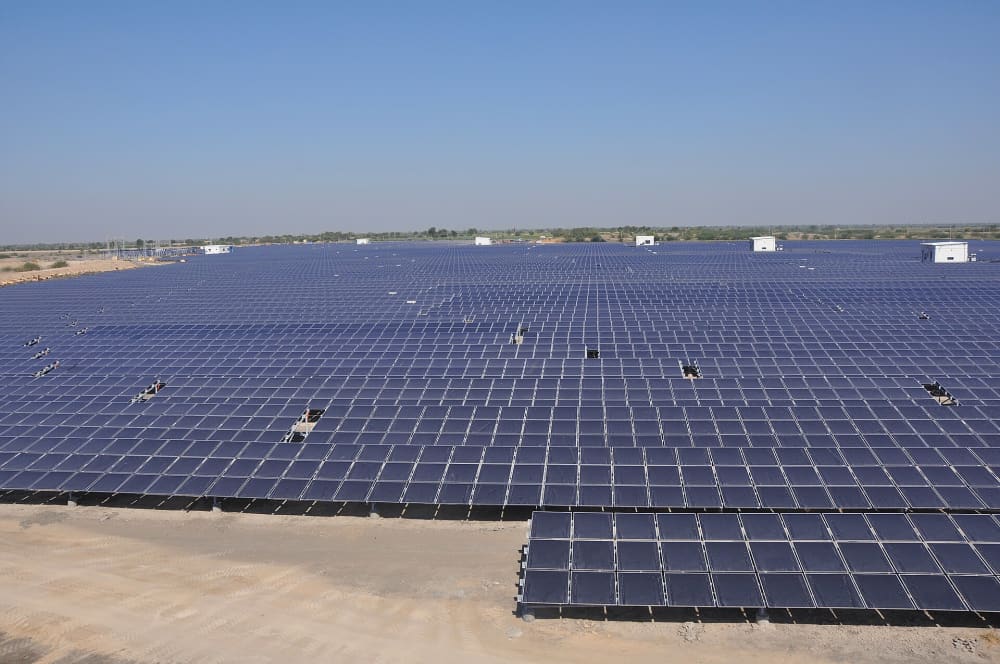
Photo: "Astonfield 11.5MW Solar Plant Gujarat" by Citizenmj, CC BY-SA 3.0, via Wikimedia Commons
RECs are often confused with carbon credits. This article explains what a REC is, how India's REC system works as of October 2026, how it differs from a carbon credit, what I-RECs are, the other ways companies buy green power, and how RECs fit into Scope 2 emissions reporting. It does not give prices or legal advice.
Sources: CERC (Terms and Conditions for Renewable Energy Certificates for Renewable Energy Generation) Regulations, 2022; CERC: Notification on date of implementation of REC Regulations 2022; CERC REC (First Amendment) Regulations, 2026; CERC: Current Regulations index; PIB (Ministry of Power), 7 June 2022: Green Energy Open Access Rules; PIB (Ministry of Power), 19 July 2022: Green Energy Open Access Rules; PIB (Ministry of Power), 11 November 2022: Green Energy Open Access portal launched; GHG Protocol Scope 2 Guidance (2015); I-TRACK Foundation (I-REC Standard)
This article was prepared with AI assistance and checked by the GreenEye team against the sources shown in each section.
Related articles


Carbon credits explained: what is one carbon credit?
What one carbon credit means, compliance vs voluntary markets, avoidance vs removal, additionality, permanence,…

India's Carbon Credit Trading Scheme (CCTS): how it works
A plain guide to India's Carbon Credit Trading Scheme: the law, who runs it, sector targets for 490 entities, the…

Scope 1, 2 and 3 emissions explained: a guide for Indian companies
What Scope 1, 2 and 3 emissions mean under the GHG Protocol, how location-based and market-based Scope 2 differ, the…

How companies measure emissions: building a GHG inventory step by step
A step-by-step guide to a company greenhouse gas inventory: boundaries, activity data, emission factors from CEA and…

How to reduce your carbon footprint: for homes, offices and companies
A practical avoid-reduce-replace guide for Indian households and businesses: BEE star-rated appliances, rooftop solar…

Carbon neutral vs net zero: what the claims mean and how to spot greenwashing
A neutral guide to carbon neutral, net zero and climate positive claims, the standards behind them (ISO 14068, SBTi,…
Want to understand this for your home or company?
Talk to us. We are happy to explain what this means for you in plain words. We do not sell carbon credits and we cannot promise any result, but we can help you think it through.
Talk to usShare this article