Scope 1, 2 and 3 emissions explained: a guide for Indian companies
What Scope 1, 2 and 3 emissions mean under the GHG Protocol, how location-based and market-based Scope 2 differ, the 15 Scope 3 categories, and what Indian companies and MSME suppliers are being asked for.
Overview
Scope 1, 2 and 3 are the three buckets the GHG Protocol uses to sort a company's greenhouse gas emissions. Scope 1 is what the company burns or releases itself, Scope 2 is the electricity, steam, heat or cooling it buys, and Scope 3 is everything else in its value chain, from suppliers to customers.
Photo: "Bommasandra Industrial Area, Bommasandra, Karnataka 560099, India - panoramio" by Christian Lederer, CC BY 3.0, via Wikimedia Commons
The split decides who counts what, what a company controls directly and what it can only influence. Buyers, investors and regulators in India now use these terms every day. This guide reflects the standards and Indian rules as of October 2026.
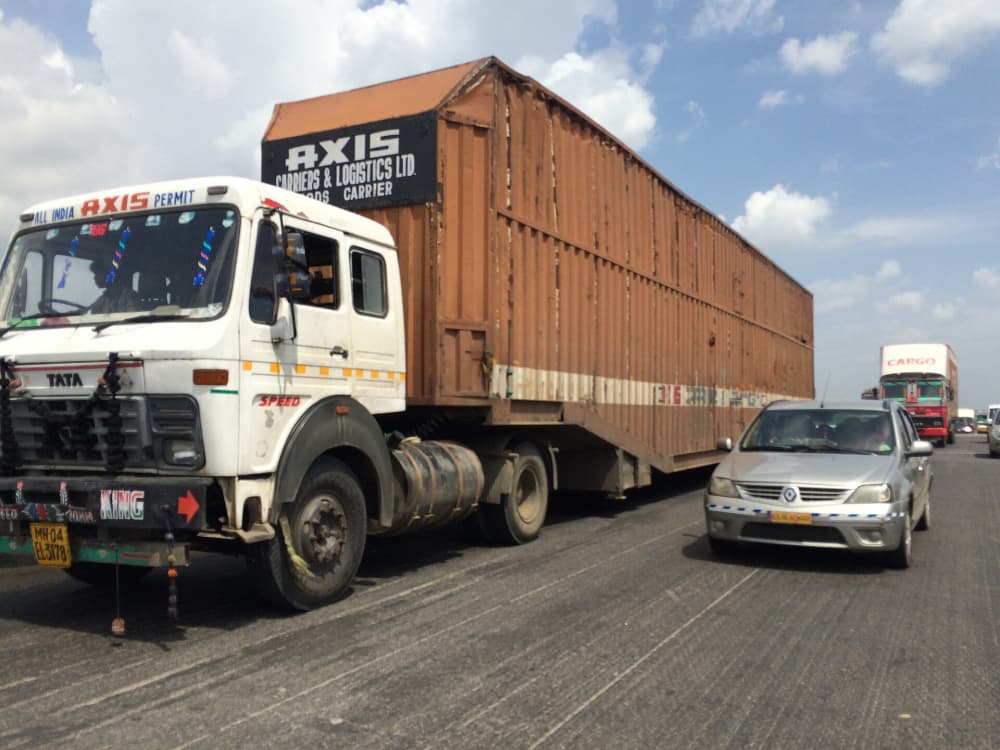
Sources: GHG Protocol Corporate Accounting and Reporting Standard (revised edition, 2004); GHG Protocol Scope 2 Guidance (2015); GHG Protocol Corporate Value Chain (Scope 3) Standard (2011); GHG Protocol: public consultations page; GHG Protocol: release opening Scope 2 and electricity-sector consequential consultations; GHG Protocol: key standard development updates FAQ (29 July 2026); GHG Protocol: Scope 3 Standard Revisions Phase 1 Progress Update (March 2026, draft); SEBI: Format of BRSR Core, Annexure I (July 2023); SEBI circular SEBI/HO/CFD/CFD-PoD-1/P/CIR/2025/42 (28 March 2025); Central Electricity Authority, CO2 Baseline Database for the Indian Power Sector, User Guide Version 22.0 (August 2026)
This article was prepared with AI assistance and checked by the GreenEye team against the sources shown in each section.
Related articles

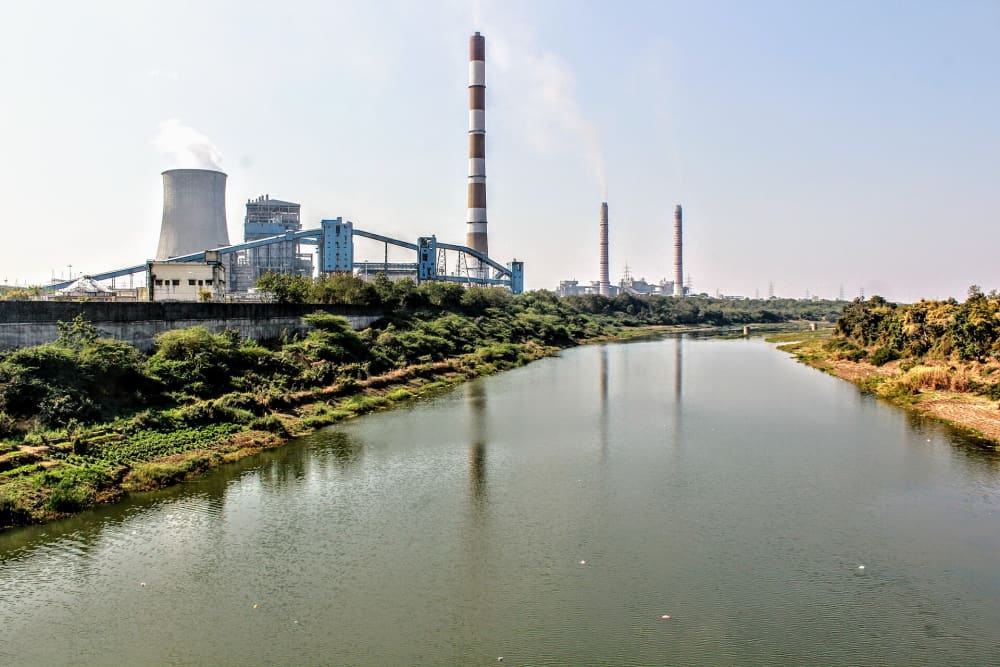
How companies measure emissions: building a GHG inventory step by step
A step-by-step guide to a company greenhouse gas inventory: boundaries, activity data, emission factors from CEA and…
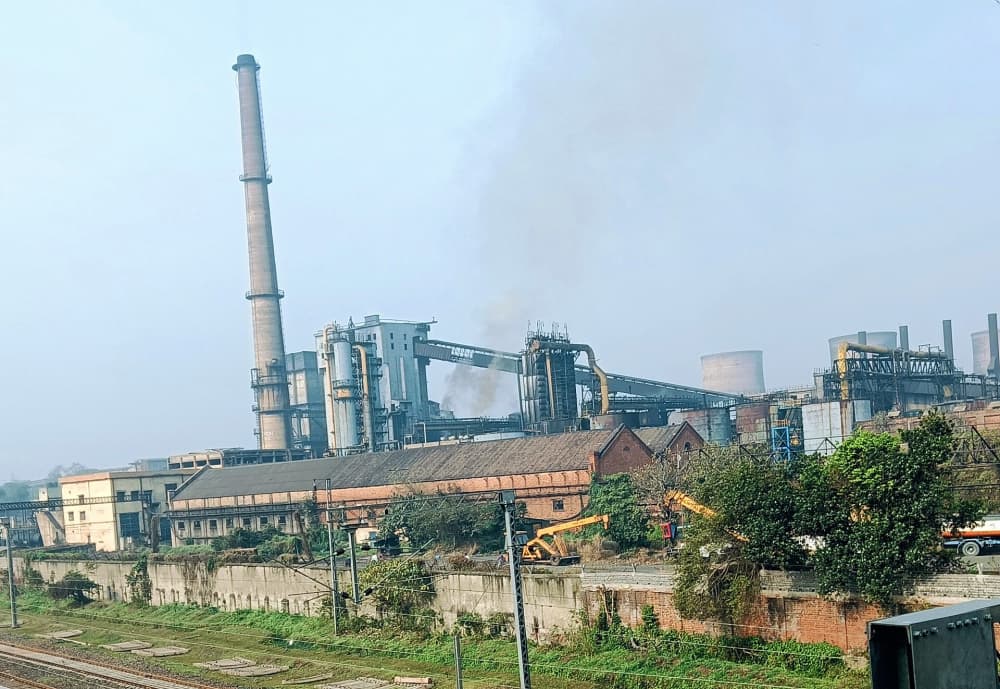
Product carbon footprint (PCF) and life cycle assessment (LCA) explained
What a product carbon footprint is, how life cycle assessment works under ISO 14040, 14044 and 14067, cradle-to-gate…
BRSR and ESG climate reporting in India: what companies must disclose
A plain guide to SEBI's BRSR and BRSR Core: who must file, the Principle 6 climate indicators including Scope 1 and 2…
What are greenhouse gases and CO2 equivalent (CO2e)?
Which gases warm the planet, how CO2 equivalent and global warming potential work, why reports use different GWP…
Carbon neutral vs net zero: what the claims mean and how to spot greenwashing
A neutral guide to carbon neutral, net zero and climate positive claims, the standards behind them (ISO 14068, SBTi,…
Want to understand this for your home or company?
Talk to us. We are happy to explain what this means for you in plain words. We do not sell carbon credits and we cannot promise any result, but we can help you think it through.
Talk to usShare this article