How to reduce your carbon footprint: for homes, offices and companies
A practical avoid-reduce-replace guide for Indian households and businesses: BEE star-rated appliances, rooftop solar under PM Surya Ghar, commuting, food, waste, energy audits and renewable power purchase.
Frequently asked questions
Carbon footprint kaise kam kare (how can I reduce my carbon footprint)?
Start by measuring your biggest sources, usually electricity, vehicles, flights and food, then cut those first. Avoid unnecessary use, choose efficient BEE star-rated appliances, consider rooftop solar, walk, cycle or use public transport where you can, waste less food, and segregate and compost wet waste.
What does a BEE star rating mean?
It shows how energy-efficient an appliance is, from 1 star (least efficient) to 5 stars (most efficient), under the Bureau of Energy Efficiency's Standards and Labelling programme started in 2006. The label also shows estimated yearly electricity use, which is the easiest number to compare between models.
How much subsidy is available under PM Surya Ghar Muft Bijli Yojana?
Central financial assistance is 60% of system cost up to 2 kW and 40% of the extra cost between 2 and 3 kW, capped at 3 kW. PIB gives this as about Rs 30,000 for 1 kW, Rs 60,000 for 2 kW and Rs 78,000 for 3 kW or more. Check current rules on pmsuryaghar.gov.in before applying.
Does setting the AC at 24 degrees really save electricity?
Yes, a higher setting uses less electricity. The Bureau of Energy Efficiency says each 1 degree Celsius increase in AC temperature setting saves about 6% of its electricity use, and star-labelled room ACs must have a default setting of 24 degrees Celsius from 1 January 2020.
How can a company reduce its carbon emissions?
First measure Scope 1, 2 and 3 emissions with the GHG Protocol, then act on the largest sources. Common steps are an energy audit by a BEE-accredited auditor, efficiency upgrades, buying renewable electricity through open access or green tariffs, rooftop solar, travel and commuting policies, and working with key suppliers.
What is green energy open access?
It lets a consumer buy renewable electricity directly from a generator of its choice through the grid. Under the Green Energy Open Access Rules notified by the Ministry of Power in June 2022, consumers with a connected load of 100 kW or more are eligible, and there is no minimum for captive users.
Can I just buy carbon offsets instead of reducing?
Offsets are not a substitute for reducing your own emissions. Most climate standards expect you to cut emissions first and use credits only for what is left, and claims based on offsets need care to avoid greenwashing. Our article on carbon neutral, net zero and greenwashing explains the rules.
Which change cuts the most emissions for an Indian household?
It depends on the household, which is why measuring first matters. In many urban homes electricity, a car and occasional flights are the largest items, while in others food or cooking fuel matters more. Calculate your own footprint and tackle the biggest line first.
Sources: IPCC AR6 Working Group III, Summary for Policymakers (2022); Bureau of Energy Efficiency, Standards and Labelling programme; Bureau of Energy Efficiency / Ministry of Power document (March 2024); PIB, BEE notifies new energy performance standards for air conditioners (January 2020); Bureau of Energy Efficiency (UDIT), Raising AC setting by 1 degree can save 6% power (2019); PIB, Cabinet approves PM-Surya Ghar: Muft Bijli Yojana (29 February 2024); PIB, PM Surya Ghar Muft Bijlee Yojana: subsidy amounts; PIB, PM Surya Ghar: Muft Bijli Yojana achieves milestone of over 50 lakh rooftop solar installations (2026); PM Surya Ghar national portal; PIB, Ministry of Power notifies Green Energy Open Access Rules (June 2022); Bureau of Energy Efficiency, Perform, Achieve and Trade (PAT) Scheme Energy Conservation Rules, 2012; Bureau of Energy Efficiency, About BEE (Energy Conservation Act, 2001); CEA CO2 Baseline Database, User Guide Version 22.0 (August 2026); India GHG Program, India Specific Road Transport Emission Factors (2015); Our World in Data, Which form of transport has the smallest carbon footprint?; Our World in Data, Food: greenhouse gas emissions per kg (Poore and Nemecek 2018); GHG Protocol, Scope 2 Guidance (2015); GHG Protocol, Corporate Value Chain (Scope 3) Standard
This article was prepared with AI assistance and checked by the GreenEye team against the sources shown in each section.
Related articles

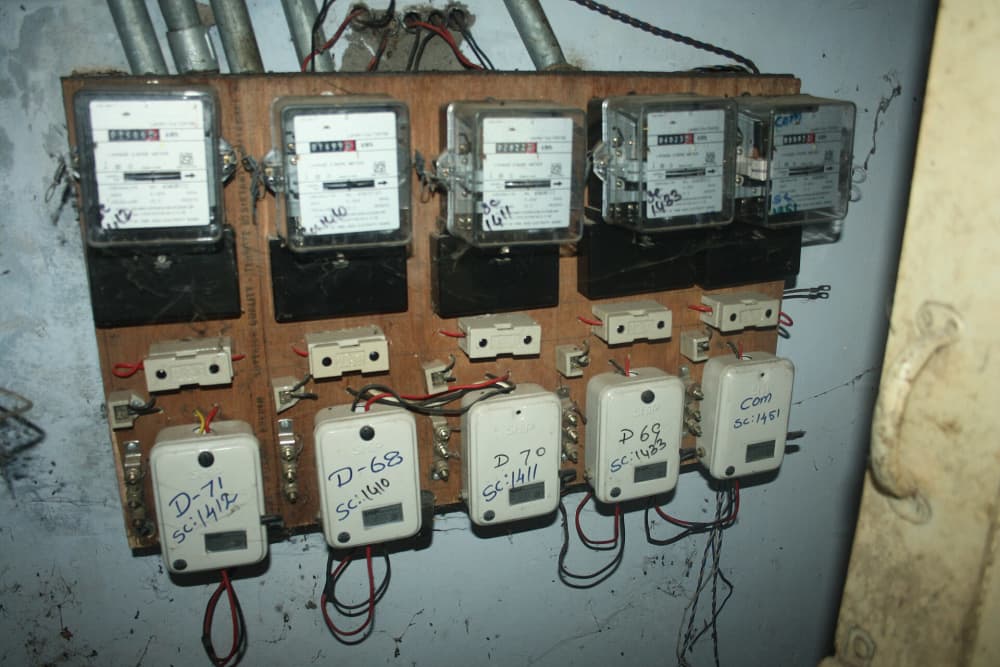
How to calculate your carbon footprint (for Indian households)
A step-by-step method for Indian households: multiply what you use (electricity units, LPG, fuel, flights, food) by a…
What is a carbon footprint?
A plain guide to what a carbon footprint is, what it includes, how big the average Indian footprint is, and what the…
Carbon neutral vs net zero: what the claims mean and how to spot greenwashing
A neutral guide to carbon neutral, net zero and climate positive claims, the standards behind them (ISO 14068, SBTi,…

Scope 1, 2 and 3 emissions explained: a guide for Indian companies
What Scope 1, 2 and 3 emissions mean under the GHG Protocol, how location-based and market-based Scope 2 differ, the…
How companies measure emissions: building a GHG inventory step by step
A step-by-step guide to a company greenhouse gas inventory: boundaries, activity data, emission factors from CEA and…
Want to understand this for your home or company?
Talk to us. We are happy to explain what this means for you in plain words. We do not sell carbon credits and we cannot promise any result, but we can help you think it through.
Talk to usShare this article