Carbon credits explained: what is one carbon credit?
What one carbon credit means, compliance vs voluntary markets, avoidance vs removal, additionality, permanence, registries, ICVCM labels and Article 6, in plain words.
Frequently asked questions
Carbon credit kya hai?
A carbon credit is a certificate representing one tonne of CO2 equivalent that a project avoided or removed, checked by an independent auditor and recorded in a registry. It should be retired once it is used for a claim so that nobody can count it again.
How many tonnes of CO2 is 1 carbon credit?
One carbon credit equals one tonne of carbon dioxide equivalent (1 tCO2e) under all the major standards, including Verra, Gold Standard and India's CCTS. Other gases such as methane are converted into CO2 equivalent using IPCC global warming potential values.
Carbon credit kaise kamaye?
Credits are earned only by a registered project that follows an approved methodology, passes independent validation and verification, and then has credits issued by a programme such as Verra, Gold Standard or India's CCTS. This takes time, money and monitoring, and income is never guaranteed, so treat any promise of easy earnings with caution.
What is the difference between avoidance and removal carbon credits?
Avoidance credits pay for emissions that were prevented, such as methane captured at a landfill, while removal credits pay for CO2 taken out of the air and stored, such as in new forests or underground. Removals are usually seen as more relevant for balancing residual emissions in net zero plans.
What is additionality in carbon credits?
Additionality means the emission cut or removal would not have happened without the money from selling carbon credits. If a project would have gone ahead anyway, its credits do not represent any extra climate benefit.
What does it mean to retire a carbon credit?
Retiring a credit means cancelling it permanently in the registry when it is used for a claim, so it cannot be sold or counted again. Always ask for the registry retirement record with the serial numbers and the name of the organisation it was retired for.
What is a CCP label on a carbon credit?
A CCP label shows that a credit meets the Core Carbon Principles of the Integrity Council for the Voluntary Carbon Market (ICVCM). It requires both an approved crediting programme and an approved credit category or methodology, and the list of approvals changes over time.
Are carbon credits a scam?
Carbon credits are not a scam in themselves, but their quality varies a lot and some projects have been criticised for issuing more credits than their real impact. Check the standard, methodology, additionality, permanence and retirement record, and use credits only alongside real emission cuts.
Sources: Verra: Verified Carbon Standard (VCS) Program; Verra: First ICVCM CCP labels now active on the Verra Registry (2024); ICVCM: Core Carbon Principles; ICVCM: Integrity Council approves three cookstove methodologies among latest decisions (2025); Gold Standard for the Global Goals; UNFCCC: The Paris Agreement (2015), Article 6; Ministry of Power / Gazette: Carbon Credit Trading Scheme, 2023, S.O. 2825(E), 28 June 2023 (cited via BEE Detailed Procedure for Compliance Mechanism); CERC (Terms and Conditions for Purchase and Sale of Carbon Credit Certificates) Regulations, 2026
This article was prepared with AI assistance and checked by the GreenEye team against the sources shown in each section.
Related articles


India's Carbon Credit Trading Scheme (CCTS): how it works
A plain guide to India's Carbon Credit Trading Scheme: the law, who runs it, sector targets for 490 entities, the…
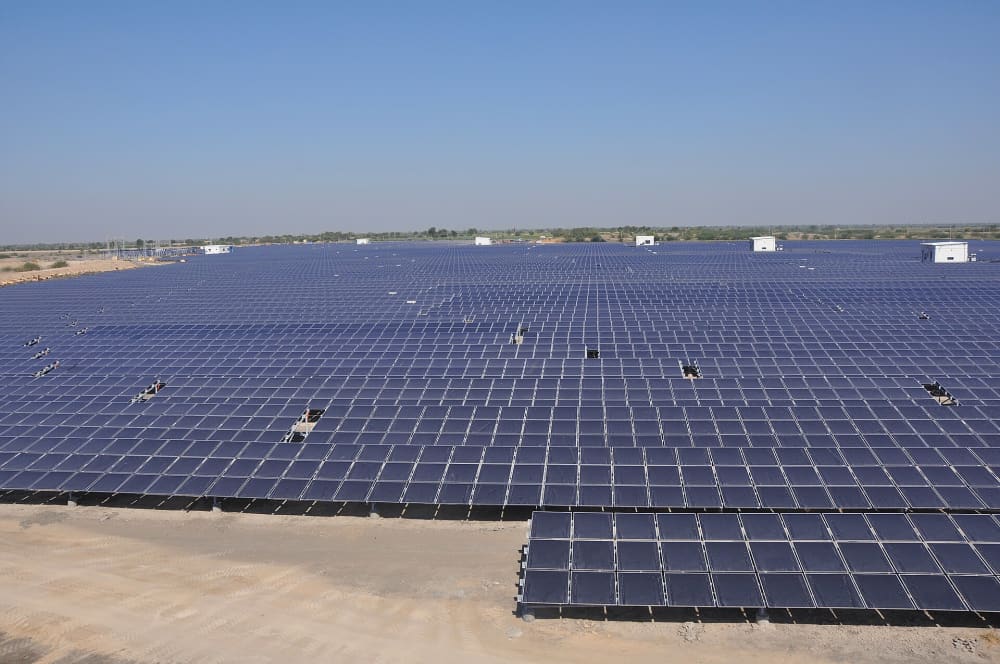
Renewable Energy Certificates (RECs) in India explained
What a REC is (1 MWh), how CERC's REC Regulations 2022 and the 2026 amendment work, how RECs differ from carbon…
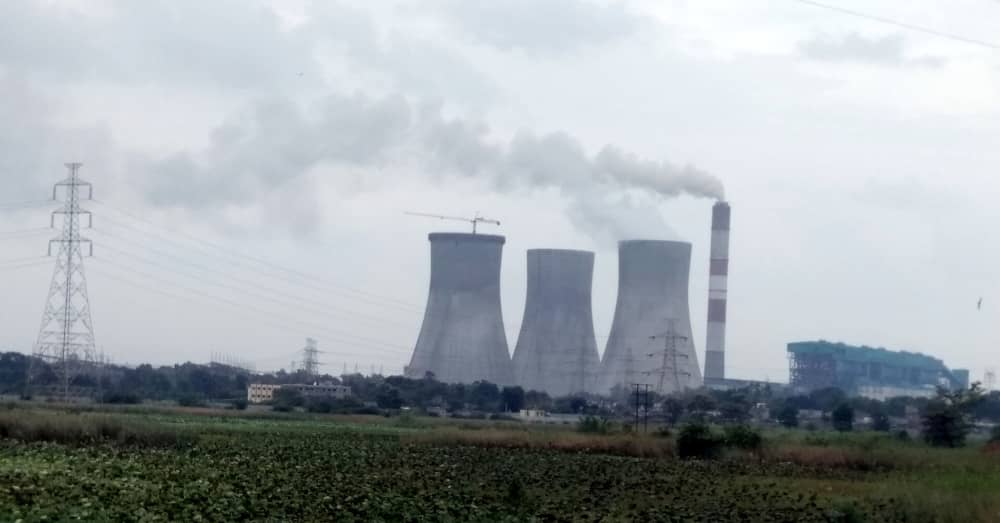
Carbon neutral vs net zero: what the claims mean and how to spot greenwashing
A neutral guide to carbon neutral, net zero and climate positive claims, the standards behind them (ISO 14068, SBTi,…
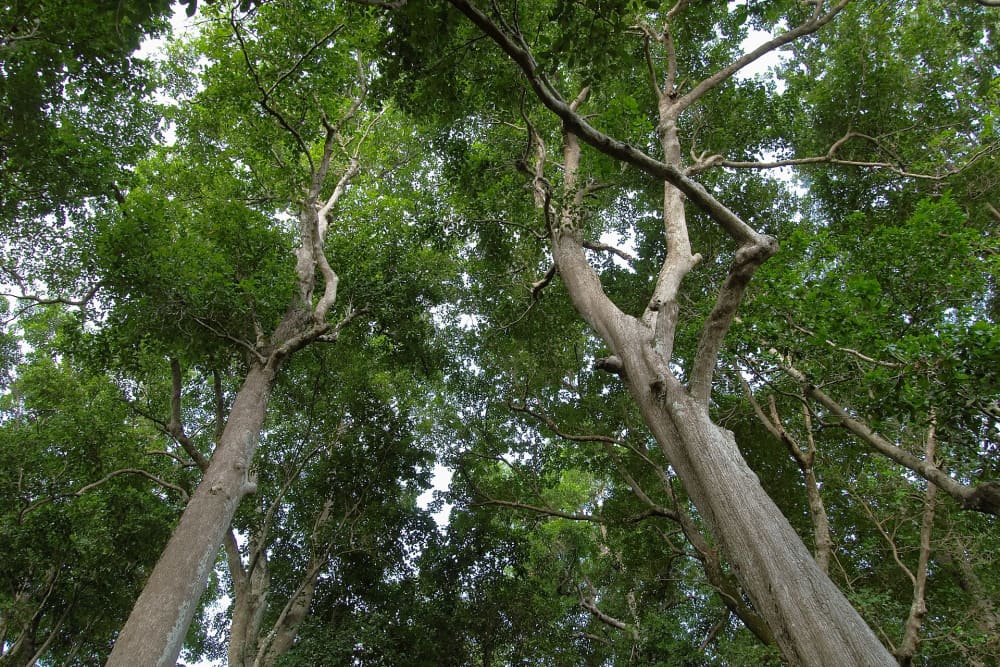
How do trees store carbon, and why is there no fixed number per tree?
Trees pull CO2 from the air and lock carbon into wood, roots and soil. Here is how that works, how India measures…
Carbon and Climate Glossary: Key Terms Explained Simply
An A-Z guide to 59 carbon and climate terms people and companies meet, from additionality and BRSR to CBAM, CCTS,…
Want to understand this for your home or company?
Talk to us. We are happy to explain what this means for you in plain words. We do not sell carbon credits and we cannot promise any result, but we can help you think it through.
Talk to usShare this article