BRSR and ESG climate reporting in India: what companies must disclose
A plain guide to SEBI's BRSR and BRSR Core: who must file, the Principle 6 climate indicators including Scope 1 and 2 intensity, the assurance glide path, value chain rules, what it means for MSME suppliers, and how ESG reporting differs from CSR.
What does this mean for unlisted suppliers and MSMEs?
SEBI's rules apply to listed companies, not to their suppliers. An unlisted company or MSME has no direct BRSR filing duty. In practice, though, a listed customer may ask you for data because:
- it may choose to report value chain indicators, and you could be one of its partners above the 2% threshold;
- it may report Scope 3 emissions (a leadership indicator), which include emissions from purchased goods and services;
- its own customers or lenders may send it questionnaires.
For businesses: what a small supplier can prepare
- Energy: monthly electricity bills (kWh), diesel, LPG, coal or other fuel purchase records.
- Water and waste: water bills or meter readings; waste quantities by type and how they were handled (recycled, sent to an authorised recycler, landfilled).
- People: headcount, wages, safety incidents, if the customer asks for social indicators.
- Method notes: which emission factors you used, their source and year, and which sites are included.
Keep the evidence (bills, invoices, meter logs). Assessors check numbers against documents. Answer only what you can support; an honest "not measured yet" is better than a guess.
EcoVadis and CDP questionnaires
Exporters and suppliers to large companies often meet two private systems that are separate from SEBI:
- EcoVadis rates companies from 0 to 100 across four themes: Environment, Labour and Human Rights, Ethics, and Sustainable Procurement, according to its public methodology documents. Buyers invite suppliers to be assessed, and one assessment can be shared with several customers.
- CDP runs a disclosure system on climate, forests and water. Through its supply chain programme, member companies ask chosen suppliers to disclose, and CDP offers a shorter questionnaire for SMEs.
Neither is a legal requirement in India. Both have their own fees and rules, which are set out on their websites.
Sources: SEBI Circular SEBI/HO/CFD/CMD-2/P/CIR/2021/562, Business responsibility and sustainability reporting by listed entities (10 May 2021); SEBI Circular SEBI/HO/CFD/CFD-SEC-2/P/CIR/2023/122, BRSR Core: Framework for assurance and ESG disclosures for value chain (12 July 2023); SEBI, Annexure I: Format of BRSR Core (July 2023); SEBI, Annexure II: Updated BRSR format (July 2023); SEBI Circular SEBI/HO/CFD/CFD-PoD-1/P/CIR/2025/42, Measures to facilitate ease of doing business: assurance or assessment, ESG disclosures for value chain, green credits (28 March 2025); Companies Act, 2013, Section 135 (India Code); Ministry of Corporate Affairs, General Circular No. 14/2021: FAQs on CSR; GHG Protocol Corporate Accounting and Reporting Standard (WRI/WBCSD); EcoVadis Sustainability Rating Methodology disclosure document (2026); CDP Supply Chain programme
This article was prepared with AI assistance and checked by the GreenEye team against the sources shown in each section.
Related articles

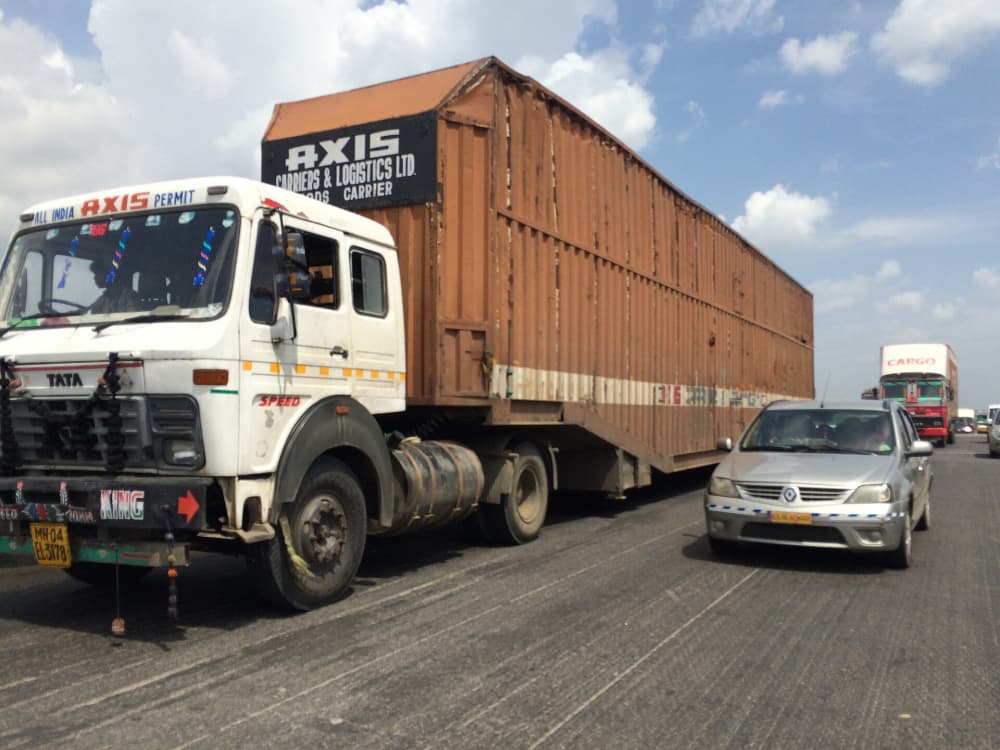
Scope 1, 2 and 3 emissions explained: a guide for Indian companies
What Scope 1, 2 and 3 emissions mean under the GHG Protocol, how location-based and market-based Scope 2 differ, the…
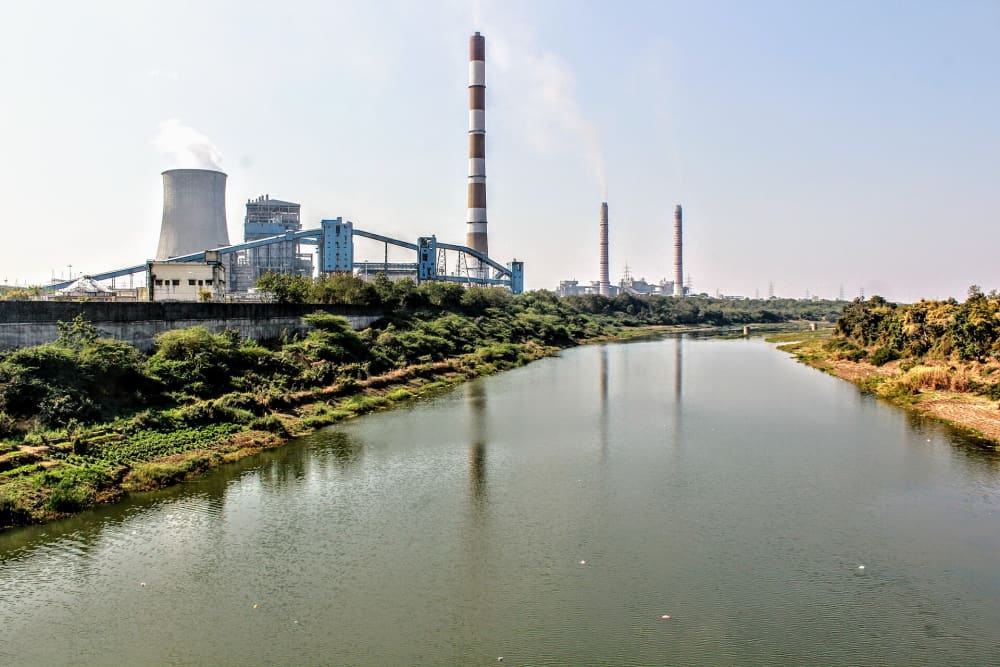
How companies measure emissions: building a GHG inventory step by step
A step-by-step guide to a company greenhouse gas inventory: boundaries, activity data, emission factors from CEA and…
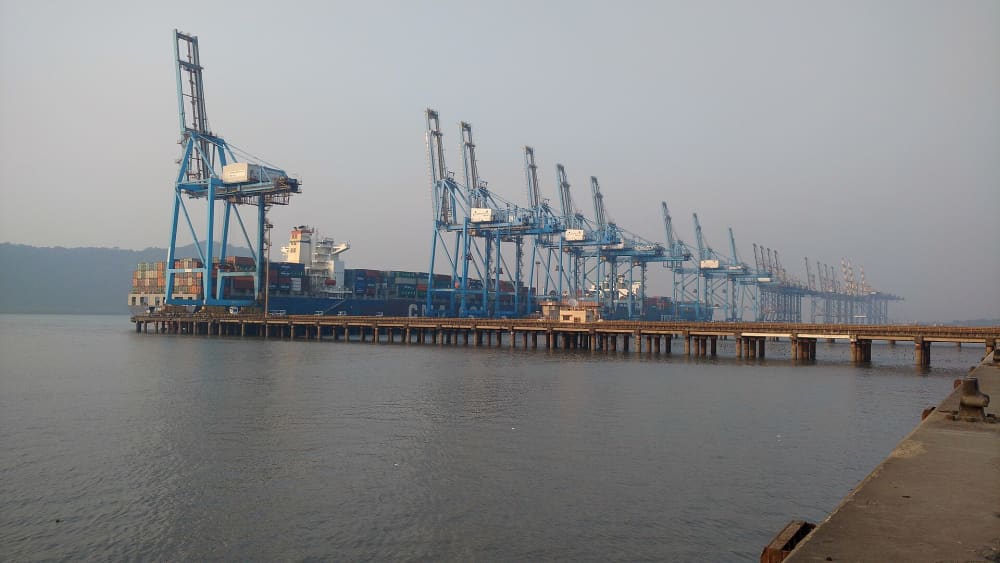
EU CBAM explained for Indian exporters: what it is and how to prepare
A plain guide to the EU Carbon Border Adjustment Mechanism as of October 2026: covered goods, the 2026 definitive…
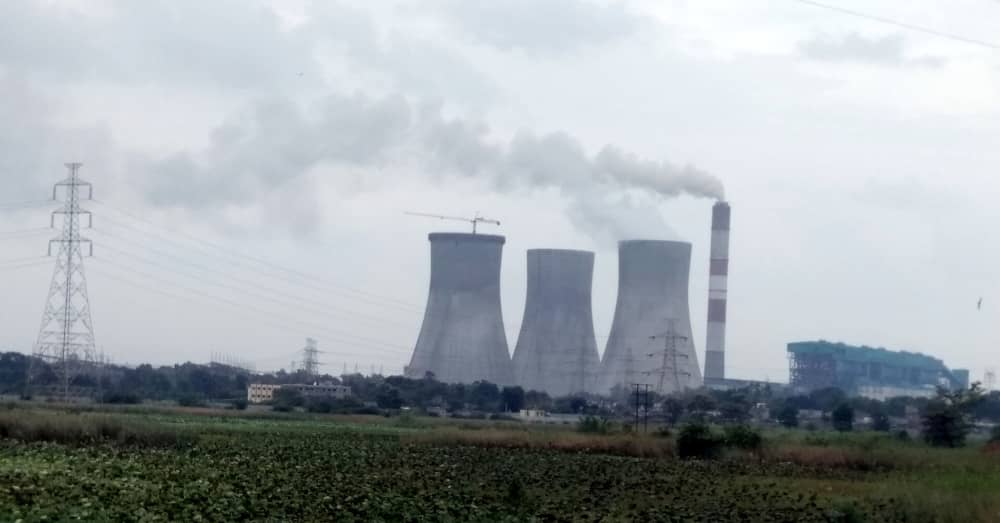
Carbon neutral vs net zero: what the claims mean and how to spot greenwashing
A neutral guide to carbon neutral, net zero and climate positive claims, the standards behind them (ISO 14068, SBTi,…
Want to understand this for your home or company?
Talk to us. We are happy to explain what this means for you in plain words. We do not sell carbon credits and we cannot promise any result, but we can help you think it through.
Talk to usShare this article